Indianapolis winters don't mess around. January temperatures usually sit around 21°F, and cold snaps regularly push well below that. When temperatures stay under freezing for days, the water inside your pipes is at risk, and a few hours of prevention in the fall is far cheaper than a burst pipe in the middle of the night.
Here's how Indianapolis homeowners can get their plumbing ready before the deep freeze arrives.
What is plumbing winterization, and why is it important?
It’s no secret that freezing temperatures can wreak havoc on your plumbing. Plumbing winterization utilizes insulation, sealing, draining, and a few smart habits to protect your pipes, fixtures, and outdoor water lines from freezing temperatures.
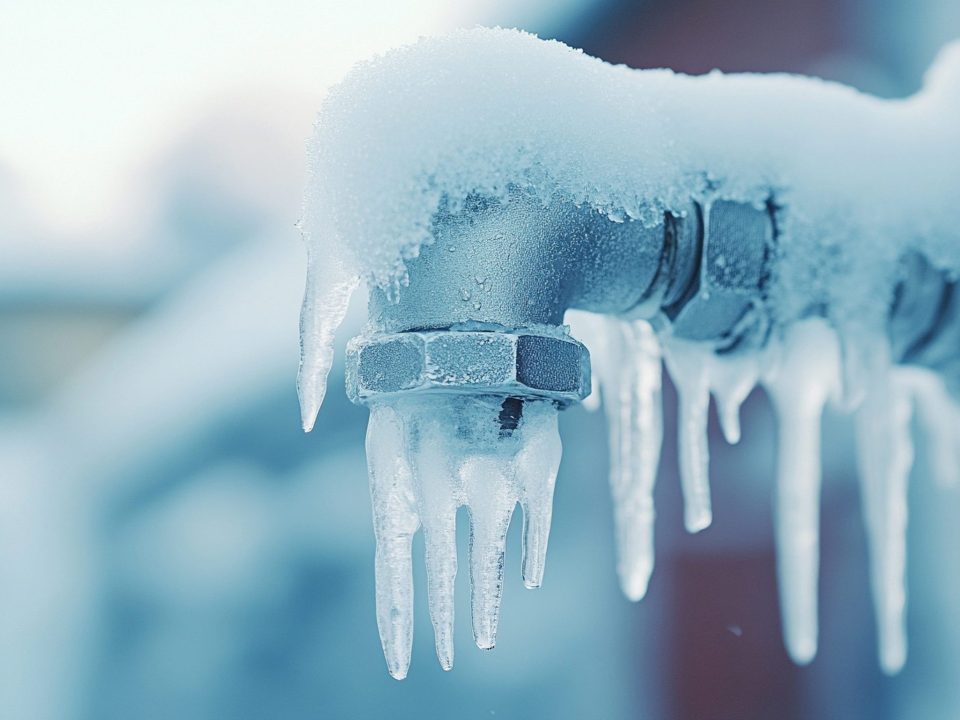
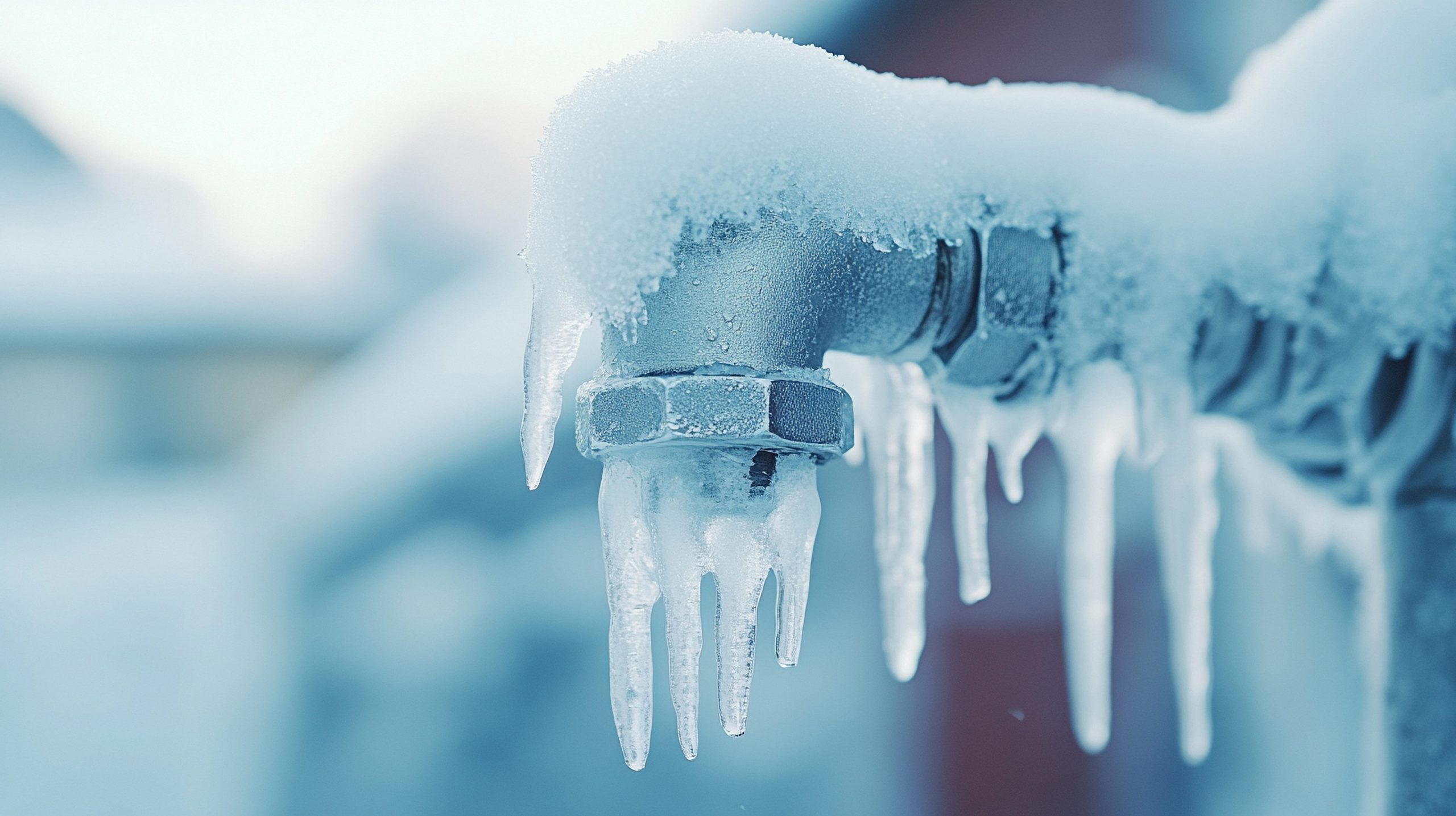
When water freezes, it expands, and that pressure can crack even sturdy pipes. Because Indianapolis sees freezing temperatures every winter, frozen pipes are something local homes need to be ready for every year.
In our years of service, we’ve learned that many Indianapolis homes are especially vulnerable because of their age. Older houses in neighborhoods like Irvington, Fountain Square, Meridian-Kessler, Broad Ripple, and the Old Northside often have unfinished basements, uninsulated crawl spaces, or supply lines that enter the house from outside. Those features leave pipes closer to the cold than modern construction would, which puts them at direct risk of freezing.
Frozen pipes are far more than a nuisance. The first signs may be a dip in water pressure or a faucet that runs cold, but the end result can be a burst pipe, flooded floors, ruined drywall, and thousands of dollars in repairs. With that in mind, it’s important to winterize your home’s plumbing before the cold sets in.
How do I winterize my home's plumbing?
You can protect your plumbing from both the inside and the outside of your home. Ideally, get started in the fall, before Indianapolis sees its first hard freeze.
Winterize Interior Plumbing
Keep Your Home at 55°F or Higher
Your heat is your pipes' first line of defense. Even when you're traveling or trying to save on utility bills, keep your thermostat set to at least 55°F. Dropping it lower may save a few dollars in the short term, but it lets the chill creep into walls and cabinets where your pipes live. A steady, moderate temperature is much cheaper than a flood cleanup.
Insulate Exposed Pipes
Exposed pipes are very common in older Indianapolis homes. Check your basement, crawl spaces, sink cabinets, garages, or utility rooms for any pipes that aren’t covered. If you find bare pipes, wrap them with proper insulation materials. Foam pipe sleeves and insulation tape are a great starting point. If you're unsure what's right for your setup, a local plumbing professional can point you in the right direction.
Close Any Cracks or Drafts
In those same areas, check for any gaps or cracks where pipes pass through walls, floors, or the foundation. Seal them as best you can with caulk or spray foam to keep cold air out. This adds another layer of protection against the Indianapolis cold and can even help with your heating bills.
Open Cabinet Doors
Pipes under kitchen and bathroom sinks are often tucked against exterior walls. When temperatures become extreme, open those cabinet doors so warm air from the rest of your home can circulate around the pipes. It's a simple step that makes a real difference, especially for pipes along exterior walls.
Let Faucets Drip
During extreme winter temperatures, it’s important to let your faucets drip. This keeps a steady, yet small, stream of water moving through your pipes, which lowers the chance of it freezing. Keep in mind this is only an indoor practice. You should never keep your outdoor faucets running when the temperatures are below freezing.
Check Your Water Heater
Your water heater works harder than almost any other appliance in winter. Before the cold really hits, make sure it's running properly, with no leaks, strange noises, or inconsistent water temperatures. Some routine maintenance may be in order, or you may want a professional to take a look before it fails when you need it most.
Know How to Shut Off Your Home’s Water
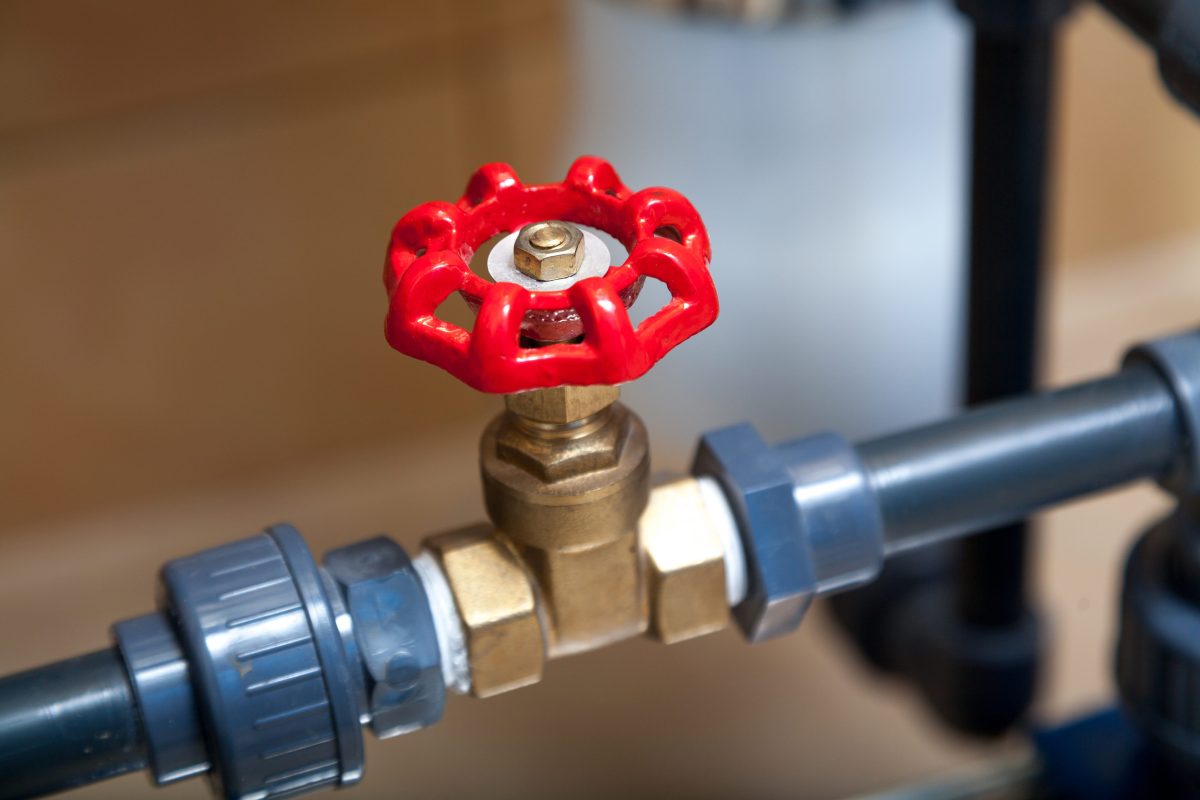
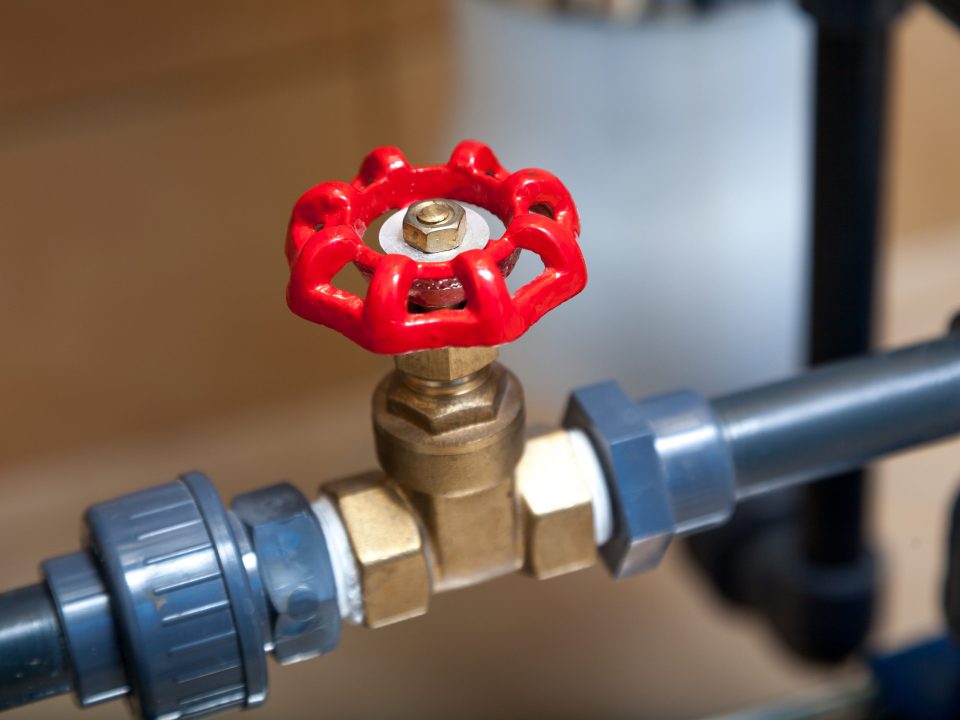
If a frozen pipe bursts, your first move is to shut off the water to stop further damage. Every household member should know where the main shut-off valve is and how to use it. Find it now and make sure it operates smoothly, rather than searching for it while water pours into your basement. Basements, utility rooms, and areas near the water meter are common locations.
Install Leak Detectors
Leak detectors placed near your water heater, under sinks, beside the washing machine, and in the basement or crawl space will alert you the moment they detect water where it shouldn't be. In winter, that early warning can turn a potential flood into a quick repair. Many smart leak detector systems also track your water usage and flag unusual flow that could signal a hidden leak, and they can connect to an automatic shut-off valve that cuts off your water when a leak is found. That's especially valuable if you're traveling over the holidays.
Look Over Your Plumbing
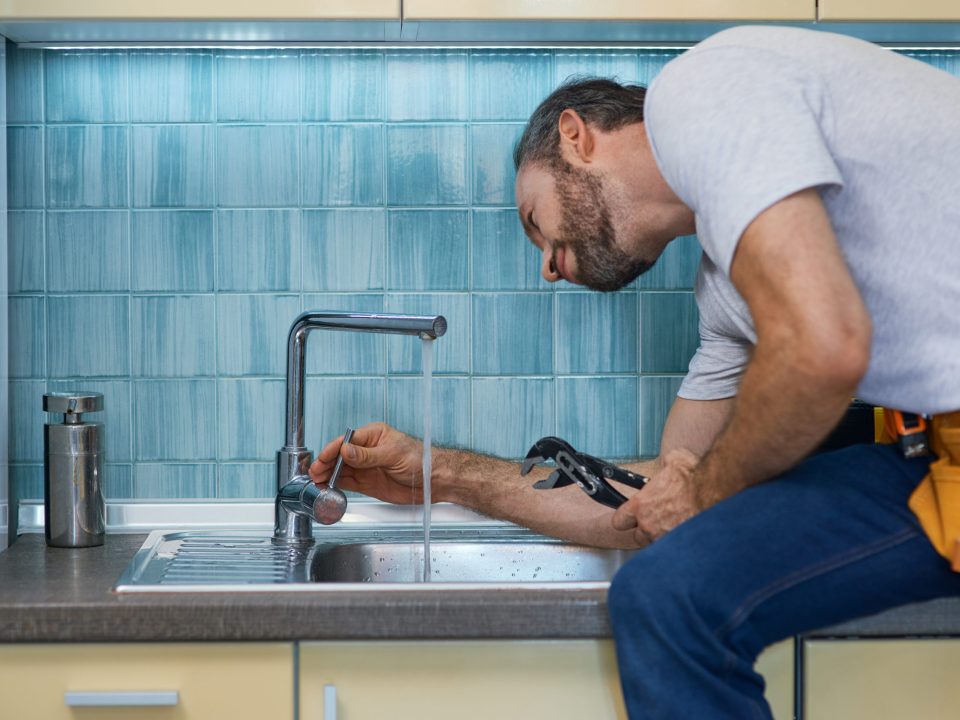
Doing a cursory check of your plumbing system can save you major headaches down the line. Look over any pipes or systems you have access to. Fix any leaks, drafts, or other issues you may find that winter weather could worsen. A professional inspection can also catch the things you might miss, like corroded fittings or weak spots in aging pipes.
Winterize Interior Plumbing Checklist
Before the First Freeze
- Install leak detectors
- Insulate exposed pipes
- Check your water heater
- Know how to shut off your home’s water
- Look over your plumbing
Daily Habits
- Keep your thermostat at 55°F or higher, day and night
- Keep your garage closed
- Use your water regularly to keep it moving through your pipes
Extreme Temperature Habits
- Open cabinet doors under sinks
- Let faucets drip
- Keep warm air flowing to basements, crawl spaces, and utility rooms or closets
- Watch for changes in water pressure or flow
Winterize Exterior Plumbing
Disconnect and Drain Any Outdoor Hoses
Leaving a hose connected to an outdoor spigot allows water to freeze and back up into the pipe inside your wall. Disconnect every hose, drain it, and store it for the season.
Shut Off Exterior Water Lines
Many Indianapolis homes have a dedicated shut-off valve for outdoor faucets, usually located inside the basement or crawl space. Turn it off before freezing temperatures arrive. If you can't find one, ask a plumber to help you locate it, or have one installed.
Drain Outdoor Faucets
Once you’ve shut off the outdoor water supply, open your outdoor faucets. This will drain whatever little water is remaining in your faucet, preventing it from freezing when the cold weather hits.
Winterize Your Irrigation System
If you have an irrigation or sprinkler system, you need to take the time to prepare it for winter too. Make sure the water supply is shut off and your sprinklers are drained. Never just assume the pipes are empty. Irrigation lines are especially vulnerable since they're less insulated and permanently outdoors. Many homeowners have the system professionally blown out with compressed air.
Protect Other Outdoor Plumbing
Faucets and sprinklers aren’t the only things you should be worried about. If you have other outdoor plumbing items, like pool equipment, sinks, exterior showers, or detached garages with water access, take the time to winterize those areas as well. Make sure all water access is shut off, any remaining water is drained, and all exposed pipes are insulated and protected.
Winterize Exterior Plumbing Checklist
Before the First Freeze
- Turn off outdoor water supply
- Disconnect and drain any hoses
- Drain all outdoor spigots
- Winterize your irrigation system
Daily Habits
- Keep hoses disconnected and safely stored
- Keep outdoor faucets closed and covered
- Make sure snow and ice don’t pile up against exposed pipes or spigots
Extreme Temperature Habits
- Check that the water supply remains shut off
- Inspect outdoor fixtures for cracks or leaks
- Make sure irrigation and other lines stay drained
Indianapolis winters are unpredictable, but a burst pipe doesn't have to be part of yours. If you'd rather have an expert take a look, we at Ciriello Plumbing have been helping Indianapolis homeowners since 1952. Our team can inspect your plumbing, insulate problem areas, winterize your irrigation system, and install leak detection, and we're ready to help if a pipe freezes or bursts.
FAQs
At Ciriello Plumbing, we promise expertise, honesty, and efficiency to the homes and businesses we service in Greater Indianapolis, including Carmel, Fishers, & Greenwood. From residential plumbing repairs to commercial installations, our expert team is dedicated to providing exceptional craftsmanship and unparalleled customer service. For reliable plumbing services you can trust, contact Ciriello Plumbing Solutions today.